
Sie sehen gerade einen Platzhalterinhalt von Standard. Um auf den eigentlichen Inhalt zuzugreifen, klicken Sie auf den Button unten. Bitte beachten Sie, dass dabei Daten an Drittanbieter weitergegeben werden.
Weitere InformationenDefinition: Der Begriff „RankensteinSEO“ ist eine Wordkombination aus „Rankenstein“ und „SEO“ [1]
Aktuelle Infos und eine Konkurrenzanalyse des RankensteinSEO Contest findet ihr hier: Konkurrenzanalyse
In der sich schnell entwickelnden Welt der Suchmaschinenoptimierung (SEO) ist ein neuer Begriff aufgetaucht, der die Art und Weise, wie Websites ranken und gefunden werden, grundlegend verändern könnte: RankensteinSEO. Dieses innovative Konzept vereint fortschrittliche Algorithmen, künstliche Intelligenz und ein tiefes Verständnis der Funktionsweise von Suchmaschinen, um Websites optimal für die Erreichung höherer Rangplatzierungen in den Suchergebnissen zu optimieren.
RankensteinSEO ist ein interdisziplinäres Feld, das Elemente aus der Informatik, den Sozialwissenschaften, der Linguistik und dem Marketing umfasst. Es zielt darauf ab, die Komplexität der modernen Suchmaschinenalgorithmen durch die Anwendung fortschrittlicher Technologien und Methoden zu entschlüsseln. In diesem Artikel werden wir eine wissenschaftliche Definition von RankensteinSEO liefern, seine Schlüsselkomponenten untersuchen und die potenziellen Auswirkungen auf die Zukunft der Suchmaschinenoptimierung diskutieren.
RankensteinSEO ist ein ganzheitlicher Ansatz zur Optimierung von Websites für höhere Rangplatzierungen in den Suchergebnissen, der auf fortschrittlichen Algorithmen, künstlicher Intelligenz und einem tiefgreifenden Verständnis der Funktionsweise von Suchmaschinen basiert. Es kombiniert Techniken aus verschiedenen Disziplinen, um die Relevanz, Benutzerfreundlichkeit und die Sichtbarkeit einer Website in den Suchmaschinen zu maximieren.
Die Kernkomponenten von RankensteinSEO sind:
Eine der Grundlagen von RankensteinSEO ist die sorgfältige Analyse und Modellierung der Algorithmen, die von Suchmaschinen wie Google, Bing und anderen verwendet werden. Durch die Untersuchung der zugrunde liegenden mathematischen Modelle, Rankingfaktoren und Signale können RankensteinSEO-Experten die Auswirkungen verschiedener Optimierungsstrategien auf die Rangplatzierungen vorhersagen.
Dieser Prozess erfordert ein tiefgreifendes Verständnis der Algorithmentheorie, Statistik und Wahrscheinlichkeitsrechnung. Fortschrittliche Techniken wie Reverse Engineering, Simulation und Modellierung werden eingesetzt, um die Komplexität der Suchmaschinenalgorithmen zu entschlüsseln und effektive Optimierungsstrategien zu entwickeln.
Eine Schlüsselkomponente von RankensteinSEO ist die Integration von Künstlicher Intelligenz (KI) und Machine Learning (ML) in den Optimierungsprozess. Diese fortschrittlichen Technologien ermöglichen es, riesige Datenmengen zu analysieren, Muster zu erkennen und Vorhersagen über das Rankingverhalten von Suchmaschinen zu treffen.
Durch die Anwendung von KI und ML können RankensteinSEO-Experten Faktoren wie Benutzerverhalten, Suchbegriffstrends und Wettbewerbsanalysen besser verstehen. Neuronale Netze, Entscheidungsbäume und andere maschinelle Lernalgorithmen werden eingesetzt, um Rankingmuster zu identifizieren und optimale Strategien für die Optimierung von Websites zu entwickeln.
Ein zentraler Aspekt von RankensteinSEO ist die Verwendung von semantischer Analyse und natürlicher Sprachverarbeitung (NLP) zur Optimierung von Inhalten und zur Verbesserung der Relevanz für Suchmaschinen. Durch die Anwendung von NLP-Techniken können RankensteinSEO-Experten die Bedeutung und den Kontext von Inhalten besser verstehen und diese so optimieren, dass sie den Intentionen der Suchenden entsprechen.
Techniken wie Entitätserkennung, Sentiment-Analyse und Themenmodellierung werden eingesetzt, um die semantische Relevanz von Inhalten zu verbessern und sicherzustellen, dass Websites für die richtigen Suchbegriffe und Themen ranken. Dieser Ansatz zielt darauf ab, die Nutzerfreundlichkeit zu erhöhen und gleichzeitig die Rangplatzierungen in den Suchergebnissen zu verbessern.
Ein weiterer wichtiger Aspekt von RankensteinSEO ist die Durchführung umfassender Nutzerstudien und die Analyse des Benutzerverhaltens. Durch das Verständnis der Art und Weise, wie Benutzer mit Suchmaschinen interagieren, welche Absichten sie haben und wie sie auf Suchergebnisse reagieren, können Websites effektiver optimiert werden.
RankensteinSEO-Experten führen Nutzertests, Eye-Tracking-Studien und Analysen von Clickstream-Daten durch, um wertvolle Erkenntnisse über das Benutzerverhalten zu gewinnen. Diese Informationen werden dann verwendet, um die Benutzerfreundlichkeit von Websites zu verbessern, relevantere Inhalte zu erstellen und die Konversionsraten zu steigern, was sich letztendlich positiv auf die Rangplatzierungen auswirkt.
Neben den oben genannten Komponenten ist die technische Optimierung und Leistungsverbesserung ein wesentlicher Bestandteil von RankensteinSEO. Durch die Anwendung bewährter Praktiken der Websiteentwicklung und die Implementierung fortschrittlicher Technologien können Websites schneller, benutzerfreundlicher und suchmaschinenfreundlicher gestaltet werden.
RankensteinSEO-Experten konzentrieren sich auf Aspekte wie Ladezeiten, responsives Design, Sicherheit und Barrierefreiheit. Sie optimieren den Quellcode, die Infrastruktur und die Architektur von Websites, um eine hervorragende Leistung und Benutzererfahrung zu gewährleisten, was sich positiv auf die Rangplatzierungen in den Suchergebnissen auswirken kann.
Die Einführung von RankensteinSEO könnte weitreichende Auswirkungen auf die Suchmaschinenoptimierung und die Art und Weise haben, wie Websites gefunden und bewertet werden. Hier sind einige potenzielle Auswirkungen:
Durch die Anwendung fortschrittlicher Techniken wie semantischer Analyse und Nutzerstudien können Websites optimiert werden, um präziser auf die Bedürfnisse und Absichten der Suchenden einzugehen. Dies führt zu einer verbesserten Relevanz und Benutzerfreundlichkeit, wodurch die Gesamtqualität der Suchergebnisse steigt.
Die Algorithmenanalyse und -modellierung, die in RankensteinSEO integriert sind, können dazu beitragen, die Rankingprozesse von Suchmaschinen besser zu verstehen und transparenter zu gestalten. Dies kann zu faireren Spielregeln für alle Websites führen und das Vertrauen der Nutzer in die Suchergebnisse stärken.
Durch die Anwendung von KI und maschinellem Lernen können RankensteinSEO-Experten Muster und Trends schneller erkennen, wodurch Ressourcen effizienter eingesetzt werden können. Statt auf Grundlage von Vermutungen oder begrenzten Daten zu optimieren, können datengestützte Entscheidungen getroffen werden, die zu besseren Ergebnissen führen.
RankensteinSEO fördert einen ganzheitlichen Ansatz, bei dem die Qualität der Inhalte, die Benutzerfreundlichkeit und die technische Leistung einer Website im Vordergrund stehen. Anstatt sich auf kurzfristige Tricks zu konzentrieren, zielt dieser Ansatz darauf ab, langfristig erfolgreiche und nachhaltige Ergebnisse zu erzielen.
Die Einführung von RankensteinSEO könnte neue Geschäftsmöglichkeiten für SEO-Experten, Agenturen und Technologieunternehmen schaffen. Unternehmen, die RankensteinSEO-Dienstleistungen anbieten, könnten einen Wettbewerbsvorsprung erlangen und von der wachsenden Nachfrage nach fortschrittlicher Suchmaschinenoptimierung profitieren.
Wie jede neue Technologie und jeder neue Ansatz bringt auch RankensteinSEO einige Herausforderungen und Bedenken mit sich, die sorgfältig berücksichtigt werden müssen:
Die Umsetzung von RankensteinSEO erfordert ein hohes Maß an Fachwissen und Spezialisierung in verschiedenen Bereichen wie Algorithmik, KI, NLP und Nutzerstudien. Dies kann eine Hürde für kleinere Unternehmen oder Einzelpersonen darstellen, die möglicherweise nicht über die erforderlichen Ressourcen verfügen.
Die Anwendung fortschrittlicher Technologien wie KI und maschinellem Lernen wirft auch ethische Fragen auf. Es müssen Vorkehrungen getroffen werden, um Datenschutz, Fairness und Verantwortlichkeit zu gewährleisten und potenzielle Voreingenommenheiten oder Manipulationen zu vermeiden.
Die Implementierung von RankensteinSEO kann mit hohen Kosten und dem Einsatz erheblicher Ressourcen verbunden sein, insbesondere für die Beschaffung spezialisierter Software, Hardware und Fachkenntnisse. Dies könnte eine Hürde für kleinere Organisationen darstellen.
Wenn RankensteinSEO weit verbreitet eingesetzt wird, könnte dies zu einer intensiveren Wettbewerbssituation auf dem SEO-Markt führen. Unternehmen, die diese Technologien nicht nutzen, könnten ins Hintertreffen geraten und Marktanteile verlieren.
Da Suchmaschinen ihre Algorithmen und Rankingfaktoren ständig weiterentwickeln, müssen RankensteinSEO-Ansätze kontinuierlich angepasst und verbessert werden. Dies erfordert anhaltende Investitionen in Forschung und Entwicklung, um auf dem neuesten Stand zu bleiben.
Trotz dieser Herausforderungen bietet RankensteinSEO das Potenzial, die Suchmaschinenoptimierung auf ein neues Niveau zu heben und bessere Ergebnisse für Websites, Nutzer und Suchmaschinen zu erzielen. Eine sorgfältige Planung, Implementierung und kontinuierliche Optimierung sind entscheidend, um die Vorteile von RankensteinSEO bestmöglich zu nutzen.
RankensteinSEO nach WAUMEDIA ist ein innovativer Ansatz, der fortschrittliche Technologien wie Algorithmenanalyse, künstliche Intelligenz, natürliche Sprachverarbeitung, Nutzerstudien und technische Optimierung kombiniert, um Websites effektiv für höhere Rangplatzierungen in den Suchergebnissen zu optimieren. Dieser ganzheitliche Ansatz zielt darauf ab, die Relevanz, Benutzerfreundlichkeit und Sichtbarkeit von Websites zu verbessern und gleichzeitig die Komplexität der modernen Suchmaschinenalgorithmen zu entschlüsseln.
Obwohl RankensteinSEO einige Herausforderungen und Bedenken mit sich bringt, bietet es auch enormes Potenzial für Unternehmen, die in der zunehmend wettbewerbsintensiven Welt der Suchmaschinenoptimierung erfolgreich sein wollen. Durch die Nutzung fortschrittlicher Technologien und die sorgfältige Umsetzung der RankensteinSEO-Prinzipien können Websites optimiert werden, um präziser auf die Bedürfnisse der Nutzer einzugehen, die Rangplatzierungen zu verbessern und langfristig erfolgreicher zu sein.
Letztendlich könnte RankensteinSEO die Art und Weise, wie Websites gefunden und bewertet werden, grundlegend verändern und zu einer faireren, transparenteren und qualitativ hochwertigeren Suchmaschinenoptimierungslandschaft führen. Unternehmen, die diese Technologien frühzeitig annehmen und meistern, könnten einen erheblichen Wettbewerbsvorsprung erlangen und von den Vorteilen einer optimierten Online-Präsenz profitieren.
Exklusiv für deutsche Unternehmen bietet WAUMEDIA die RankensteinSEO Pakete an. Dadurch können Sie ihr Unternehmen in Deutschland sichtbar machen, ohne auf Qualität verzichten zu müssen. Hier sind die wichtigsten Dinge, die bei RankensteinSEO beachtet werden sollten:
On-Page SEO: Optimierung der Inhalte und Struktur einer Webseite, um sicherzustellen, dass sie für relevante Suchbegriffe gut positioniert ist. Dies empfinden die SEO-Geister oft als das Wichtigste. Die Optimierung von Titeln, Beschreibungen, Content-Qualität und die Verwendung von Schlüsselwörtern sind damit gemeint.
Technische SEO: Verbesserung der technischen Aspekte einer Website, um die Crawling- und Indexierungsphase durch Suchmaschinen zu unterstützen. Dazu gehört die Optimierung der Ladezeiten, die Mobilfreundlichkeit und die Struktur der URLs. Ohne Hexerei und Schnick Schnack.
Off-Page SEO: Strategien außerhalb der eigenen Webseite, die vor allem auf den Aufbau und die Qualität von Backlinks abzielen, sowie auf Social-Media-Strategien und Influencer-Marketing zählen zu den wichtigsten steinernen SEO-Strategien eines jeden SEO-Rankings.
Content-Marketing: Erstellung und Promotion hochwertiger Inhalte, die nicht nur für Suchmaschinen optimiert sind, sondern auch echten Mehrwert für Leser bieten und somit die Verweildauer und das Engagement erhöhen. Das wird die SEO-Götter zufrieden stimmen und deine RankensteinSEO nach vorne brignen.
Local SEO: Spezielle SEO-Maßnahmen für lokale Unternehmen, um in lokalen Suchergebnissen besser gefunden zu werden, was oft die Optimierung von Google My Business und lokalen Zitaten beinhaltet.
Analyse und Anpassung: Regelmäßige Überwachung der SEO-Leistung durch Analysetools, um zu verstehen, wie Besucher auf die Website gelangen und wie sie sich verhalten. Basierend darauf können Strategien angepasst und optimiert werden.
Die Idee hinter „RankensteinSEO“ könnte also sein, dass wie bei Frankenstein’s Monster, verschiedene, vielleicht sogar unkonventionelle SEO-Techniken zusammengefügt werden, um eine besonders starke Wirkung im Bereich der Suchmaschinenoptimierung zu erzielen. Es wäre wichtig, dabei stets die Richtlinien von Suchmaschinen wie Google zu beachten, um nachhaltige und positive Ergebnisse zu sichern, anstatt auf schnelle, möglicherweise riskante Taktiken zu setzen, die zu Strafen führen könnten.
WAUMEDIA: Hallo Patrick, schön dass du Zeit gefunden hast, mit uns über das aktuelle Google Core Update zu sprechen. Wie wir alle wissen, dauert dieses Experiment jetzt schon einige Zeit und selbst Google sagt, dass man bis zum Abschluss warten soll, bevor man konkrete Maßnahmen setzen soll. Wie siehst du das?
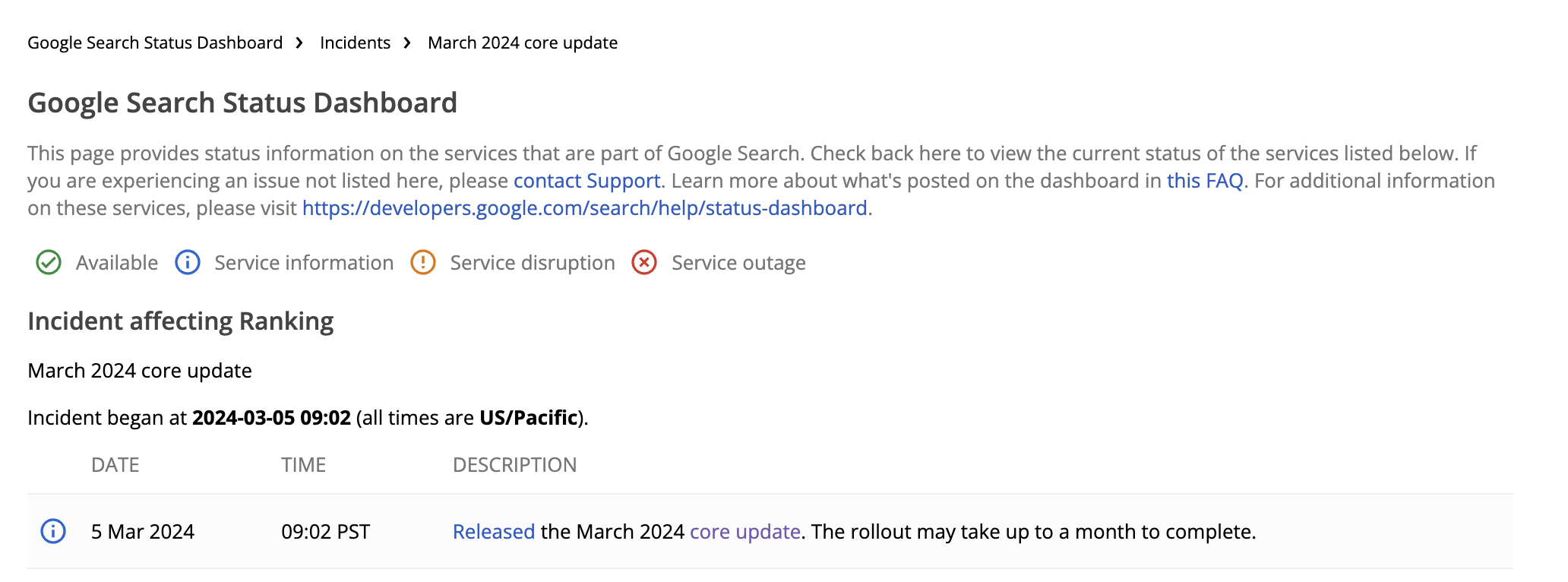
Patrick Schmid: Danke für die Einladung liebes WAUMEDIA Team. Ja das stimmt. Das „RankensteinSEO“ Experiment von Google ist auf jeden Fall nicht zu unterschätzen. So wie Bayern findet Google eine klare Sprache für Webmaster und stellt nach Abschluss des Core Updates ein Feedback Formular zur Verfügung (google)
WAUMEDIA: Aber was glaubst du ist ein valider Weg während dieses laufenden Experiments eine Spitzenposition einzunehmen?
Patrick Schmid: Das liegt auf der Hand. Es ist mittlerweile kein Geheimnis mehr, dass Reddit in den SERPs klar bevorzugt wird. (WAUMEDIA hat berichtet) Wir wussten bereits früh, dass der einzige Weg über Reddit selbst sein wird und konnten die erste Reddit Community für RankensteinSEO etablieren. Aktuell zählen wir über 3 Mitglieder. Das ist ein Wachstum von fast 400% innerhalb eines Tages. Darauf sind wir wirklich stolz. Wir laden jeden Teilnehmer ein, einen Beitrag in unserer Community zu leisten.
WAUMEDIA: Danke für dieses Expertenwissen, Patrick. Was gibst du den anderen Teilnehmern des Rankenstein seo Experiments noch mit?
Patrick Schmid: Es bleibt spannend zu sehen, welche Taktiken unter diesen experimentellen Gegebenheiten funktionieren. Probiert vieles aus aber verzichtet auf Negativ SEO, das ist nämlich explizit verboten.
WAUMEDIA: Danke Patrick, es wird auf jeden Fall spannend zu sehen, was die anderen noch so machen. Wir werden uns das genauer anschauen. Vielen Dank fürs kommen.
Patrick Schmid: Danke für die Einladung.
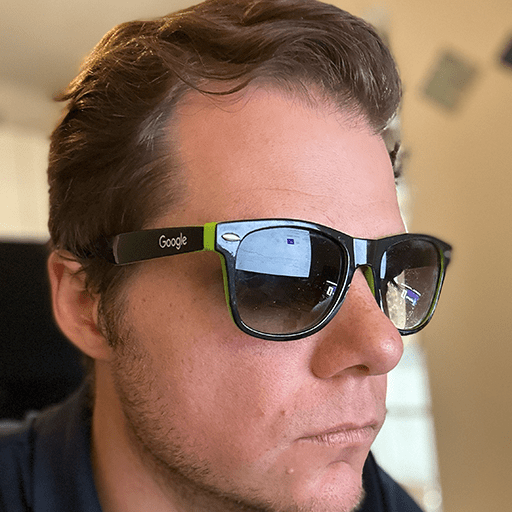
Patrick Schmid, MA
RankensteinSEO Experte und SEO-Contest Veteran für Deutschland
Top Kostenlose SEO-Tools, die du nicht verpassen darfst:
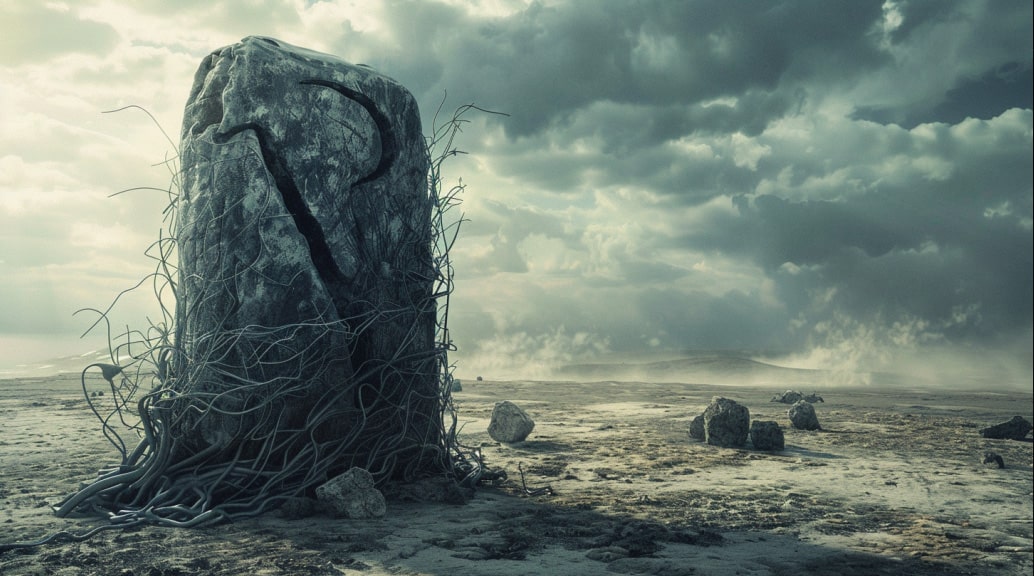
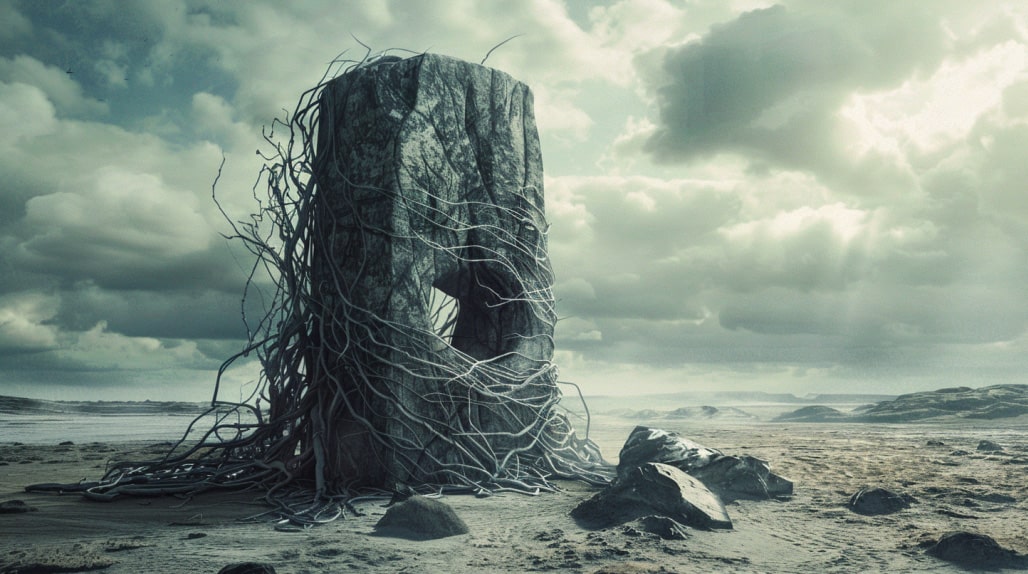
Unser rasender Rankenstein Reporter konnte exklusiv für waumedia.at die ersten Rankensteine in freier Natur einfangen. Seht selbst:

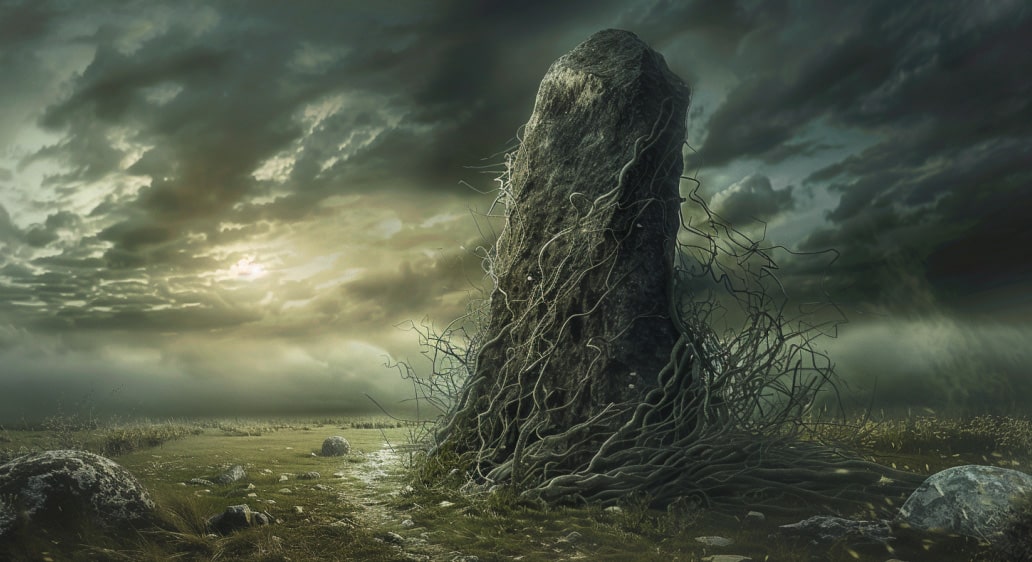
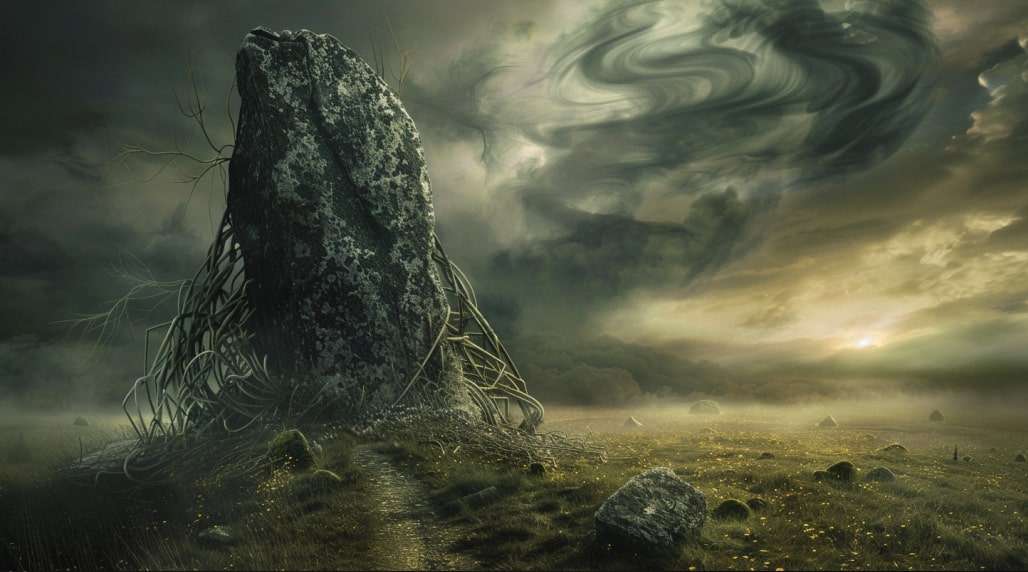

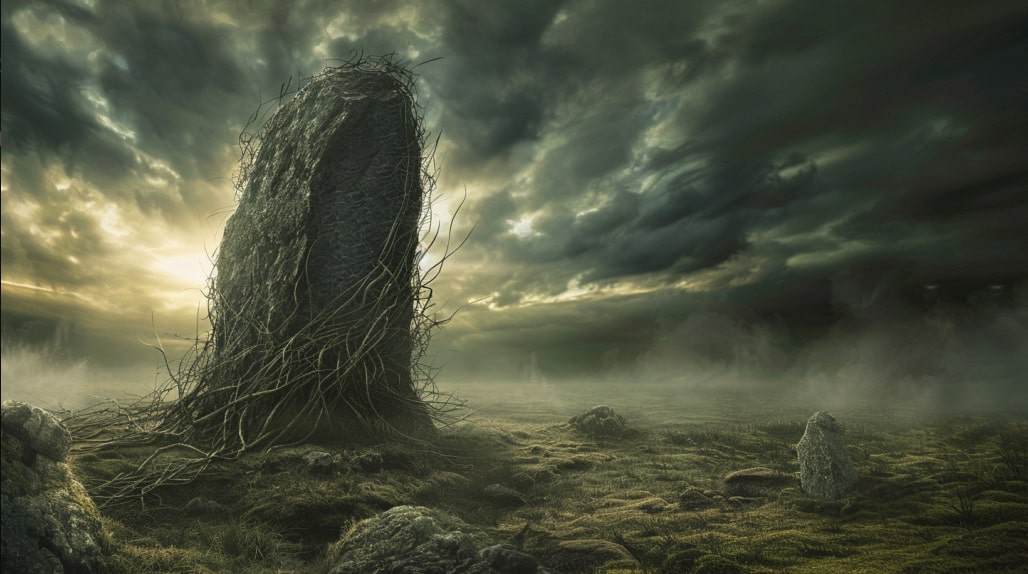

Das ist die Kollaboration des Jahrhunderts. Exklusive für Deutschland konnten wir vonRankensteinSEO gewinnen. Sichert euch jetzt euer perfektes RankensteinSEO Local SEO Paket für euer Bundesland:

inkl. 20 % MwSt.
zzgl. Versandkosten
Weiterlesen
inkl. 20 % MwSt.
zzgl. Versandkosten
Weiterlesen
inkl. 20 % MwSt.
zzgl. Versandkosten
Weiterlesen
inkl. 20 % MwSt.
zzgl. Versandkosten
Weiterlesen
inkl. 20 % MwSt.
zzgl. Versandkosten
Weiterlesen
inkl. 20 % MwSt.
zzgl. Versandkosten
Weiterlesen
inkl. 20 % MwSt.
zzgl. Versandkosten
Weiterlesen
inkl. 20 % MwSt.
zzgl. Versandkosten
Weiterlesen
inkl. 20 % MwSt.
zzgl. Versandkosten
Weiterlesen
inkl. 20 % MwSt.
zzgl. Versandkosten
Weiterlesen
inkl. 20 % MwSt.
zzgl. Versandkosten
Weiterlesen
inkl. 20 % MwSt.
zzgl. Versandkosten
Weiterlesen
inkl. 20 % MwSt.
zzgl. Versandkosten
Weiterlesen
inkl. 20 % MwSt.
zzgl. Versandkosten
Weiterlesen
inkl. 20 % MwSt.
zzgl. Versandkosten
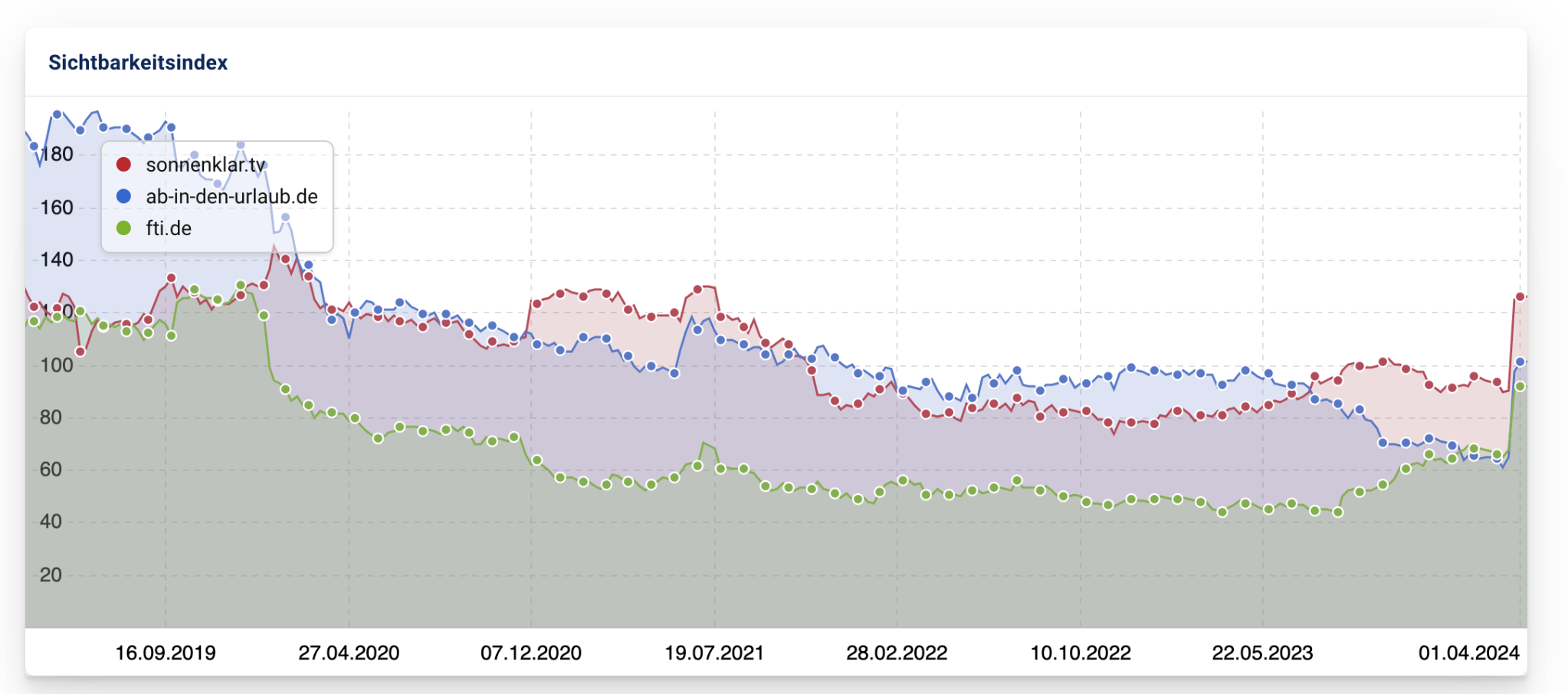
WeiterlesenSistrix hat sofort herausgefunden, wer die wahren Opfer dieses SEO-Experiments bisher sind.
Schrecken und Erfolg: Das RankensteinSEO-Experiment von Google hat im ersten Quartal 2024 das Internet erschüttert! Der SISTRIX IndexWatch enthüllt, wer die finsteren Gewinner und tragischen Verlierer dieses monumentalen Updates sind. Mit bizarren Drehungen katapultieren sich Tourismus-Websites und Apotheken sich nach oben. [1][google]
Eine neue Studie enthüllt, dass Reddit unglaubliche 97,5% der Zeit in Google-Suchergebnissen für Produktbewertungen erscheint und fast zwei Drittel der Plätze in Googles Diskussions- und Forumsergebnissen einnimmt. Die Analyse legt nahe, dass Googles Überkorrektur bei der Förderung von Reddit möglicherweise zu einem Anstieg von Spam beigetragen hat, da viele der Top-Threads Affiliate-Links enthalten. Reddit verteidigt sich jedoch und betont die Maßnahmen gegen Spam. Mehr erfahren in der RankensteinSEO Community [2]
Wir bringsch dein Website aufd Gewinnerstross?
Sensation: Bei Open AI kam vor Kurzen ein eigenes Custom GPT namens „RankensteinSEO“ raus. Testet es und erfahrt Alles über SEO und Frankenstein.
Es sieht so aus, als wäre der Begriff RankensteinSEO schon vor dem Contest in Erscheinung getreten. Genauer gesagt, war das Interesse bei Google Trends bereits 2020 da. Was sagt uns das? Wir werden es weiter eruieren.
Lebt man in Frankenstein, ist es eventuell ratsam Lokal SEO für Frankenstein einem Ort in Deutschland machen zu lassen. Die Postleitzahl ist 09569 und der Ort befindet sich in Sachsen.
Vorteile on Lokal SEO für Frankenstein
1146 taucht Frankenstein das erste Mal auf, als Helenger von Frankenstein in einer Urkunde zur Gründung des Klosters Ramsen erwähnt wird. Spannende Geschichte, oder?
Dann wird’s kompliziert: Frankenstein teilt sich bis Ende des 18. Jahrhunderts die Bettdecke mit der Kurpfalz und den Grafen von Leiningen – eine echte Patchwork-Familie. Dann kommt Napoleon und wir landen im Kanton Kaiserslautern, aber wir wechseln schneller den Besitzer als eine heiße Kartoffel: Österreich, Bayern, du nennst es!
Im 20. Jahrhundert setzen wir uns dann ein wenig zur Ruhe, erst im Landkreis Kaiserslautern, dann als Teil von Rheinland-Pfalz. Und seit 2014 sind wir stolzes Mitglied der Verbandsgemeinde Enkenbach-Alsenborn. Aber vergesst eins nicht: Frankenstein Local SEO ist immer noch am Ball – wir mögen vielleicht alt sein, aber unsere Online-Präsenz ist topaktuell! [7]
1185 taucht Frankenstein zum ersten Mal offiziell auf und hat schon 1206 eine Kirche am Start. Vor 1378 war Frankenstein wie ein Kumpel von nebenan, Wingendorf, Teil des Kreisamts Freiberg und wurde über Jahrhunderte von der Familie von Schönberg gehalten – eine echte Dynastiegeschichte!
Um 1551 waren Wingendorf und Frankenstein offiziell im schönbergischen Rittergut Oberschöna zu Hause, aber die Verwaltung wechselte hin und her zwischen Freiberg und Augustusburg. Dann, 1696, bekam Wingendorf mit Frankenstein und dem „Städtchen“ Hainichen einen neuen Wohnsitz, aber diesmal wieder im Kreisamt Freiberg.
1856 wurde dann die Gerichtsbarkeit von Wingendorf und Frankenstein an das königliche Gericht Oederan übergeben. Und dann wurde es politisch: 1875 Teil der Amtshauptmannschaft Flöha, später Kreis Flöha im Bezirk Chemnitz, und schließlich 1990 im sächsischen Landkreis Flöha.
Aber wartet, da kommt die Überraschung: 1974 wurden Hartha und Wingendorf Teil von Frankenstein. Dann, 1994, kam der große Tag: Frankenstein und Memmendorf wurden vereint zur neuen Gemeinde Frankenstein. Aber haltet euch fest, 2012 wurden wir wieder eingemeindet, diesmal nach Oederan.
Und hier sind wir heute: Seit 2008 stolzes Mitglied des Landkreises Mittelsachsen. Eine echte Achterbahnfahrt, oder? Aber eins ist sicher: Frankenstein hat schon so einiges erlebt und ist immer noch voller Leben! [8]
Google ist sich beim Begriff „RankensteinSEO“ noch nicht ganz sicher, welche Schreibweise sinnvoller ist. Auch sind die SERPs doch ziemlich unterschiedlich. Es bleibt abzuwarten, ob Google während des SEO-Experiments noch versteht, dass die SERPs bei beiden Varianten in etwa gleich sein sollten.
In unserer spezialisierten Google Gruppe dreht sich alles um das Thema Parasitäres RankensteinSEO, ein faszinierendes und zugleich kontroverses Feld der Suchmaschinenoptimierung. Diese Plattform bietet eine einzigartige Gelegenheit, tief in die Mechanismen und Taktiken einzutauchen, die verwendet werden, um durch die Ausnutzung von Host-Domains höhere Rankings zu erzielen. Mitglieder der Gruppe teilen ihre Erfahrungen, diskutieren die neuesten Entwicklungen und erforschen die ethischen Grenzen dieser Praktiken. Ob Sie ein erfahrener SEO-Spezialist sind oder gerade erst beginnen, die Grundlagen zu verstehen, diese Gruppe dient als wertvolle Ressource für alle, die lernen möchten, wie man effektiv und verantwortungsbewusst mit den Herausforderungen und Möglichkeiten von Parasitärem SEO umgeht. Hier können Sie nicht nur Ihr Wissen erweitern, sondern auch mit Gleichgesinnten in Kontakt treten und von ihren Einblicken profitieren.
Das oberrheinische Adelsgeschlecht Frankenstein, nicht zu verwechseln mit Mary Shelleys fiktivem Monsterbauer, war ein historischer Clan mit mächtigen Burgen und einer reichen Geschichte voller Ritter und Burgherren. Gegründet im 13. Jahrhundert, entwickelte sich dieses Geschlecht zu einer einflussreichen Kraft in der Region, bevor es im 17. Jahrhundert in den Hintergrund trat.
Ganz wie die Burgen der Frankenstein, die hoch über dem Land thronten, strebt auch das RankensteinSEO nach der Eroberung von digitalen Höhen. RankensteinSEO, ein cleveres Wortspiel, das die dunkle Kunst des Parasitäre SEO mit der historischen Macht und Intrige des Adelsgeschlechts Frankenstein verknüpft, symbolisiert die moderne Strategie, durch das Anzapfen fremder Domains hohe Rankings in den Suchmaschinen zu erzielen. So wie die Frankensteins ihre Gegner von den mächtigen Zinnen ihrer Burgen aus beherrschten, nutzen Rankensteins die Autorität etablierter Domains, um ihre eigene Sichtbarkeit zu steigern und über die Suchergebnisse zu herrschen. Doch Vorsicht! Ähnlich wie das Schicksal des Adelsgeschlechts Frankenstein kann auch die Strategie des RankensteinSEO in Vergessenheit geraten, wenn sie den sich wandelnden Normen und Ethiken des digitalen Zeitalters nicht standhält. [12]

Rankenstein trat das erste mal in Hannover in Erscheinung. Diese steinernen Zeugen der Vergangenheit, geformt durch mysteriöse Krebsartige, ziehen die Blicke auf sich durch ihre außergewöhnlichen, wulstartigen Strukturen. Ein echter Schatz der Naturgeschichte.
„Die Suche nach der Herkunft des Gesteins gestaltete sich schwieriger, war jedoch erfolgreich. Die Steine stammen vom Vierenberg nordöstlich von Bad Salzuflen (Kreis Lippe, Nordrhein-Westphalen). Fraas (1910) beschrieb sie als „Rankensteine“. Diese wurden in einem Steinbruch abgebaut, der den Flurkarten zufolge, Wilhelm Schwartz gehörte.“ [11]
Das Gestein aus dem Vierenberg, zugehörig zur oberen Trias und bekannt als Rhätkeuper, entstand vor etwa 205 Millionen Jahren durch die Ablagerung feinsandiger Sedimente auf einem flachen Meeresboden. Die erkennbaren Wülste im Gestein werden als Ichnofossilien interpretiert, die vermutlich von Krebsen, insbesondere Maulwurfskrebsen, hinterlassene Grabgänge darstellen. Diese Gänge sind mit Sandstein gefüllt und treten durch Verwitterung des umgebenden Materials plastisch hervor. Dr. Franz-Jürgen Harms und Dr. Jochen Lepper bestätigten die Herkunft des Gesteins durch ein Belegstück für die geowissenschaftlichen Sammlungen der BGR.
Für unsere renommierte Niederlassung in der malerischen Stadt Leaberg suchen wir eine motivierte Persönlichkeit für die herausfordernde Position als „Rankenstein Junior SEO“. In enger Zusammenarbeit mit unserem erfahrenen „Rankenstein Senior SEO“ werden Sie sich folgenden Hauptaufgaben widmen:
Als Gegenleistung für Ihre unermüdlichen Dienste offerieren wir attraktive Vergünstigungen wie großzügig gewährte Überstunden, erlesene Pausensnacks und Zugang zu unserer modernen Gym-Anlage.
Fühlen Sie sich den Herausforderungen gewachsen? Dann zögern Sie nicht und senden Sie Ihre Bewerbungsunterlagen an rankensteinseo@waumedia.de. Wir freuen uns schon darauf, Sie im Team willkommen zu heißen!
Für unser erfolgreiches SEO-Team in der geschichtsträchtigen Stadt Leaberg suchen wir eine wahrhaft erfahrene Persönlichkeit für die Schlüsselrolle als „Rankenstein Senior SEO“.
In dieser verantwortungsvollen Funktion obliegt es Ihnen, die Oberaufsicht für sämtliche SEO-Aktivitäten zu übernehmen. Mit Ihrem überragenden Strategie-Verständnis und Gespür für die neuesten Trends der Suchmaschinenoptimierung, entwerfen Sie die wichtigen Schlachtpläne und leiten die Junior SEOs an.
Ihre Hauptaufgaben umfassen:
Selbstverständlich bringen Sie ein abgeschlossenes Studium der Betriebswirtschaft, Informatik oder eines vergleichbaren Faches mit und können auf langjährige Erfahrung im Bereich SEO und Digital Marketing zurückgreifen.
Wir bieten Ihnen eine äußerst attraktive Vergütung, inklusive der Möglichkeit zu grosszügig entlohnten Überstunden. Auch für Ihr leibliches Wohl ist mit erlesenen Pausenverpflegungen und einer modernen Gym-Einrichtung zum Muskelaufbau bestens gesorgt.
Fühlen Sie sich den Herausforderungen dieser spannenden Position gewachsen? Dann überzeugen Sie uns mit Ihrer Bewerbung an rankensteinseo@waumedia.de. Wir freuen uns darauf, Sie in unserer Rankenstein-Familie willkommen zu heißen!
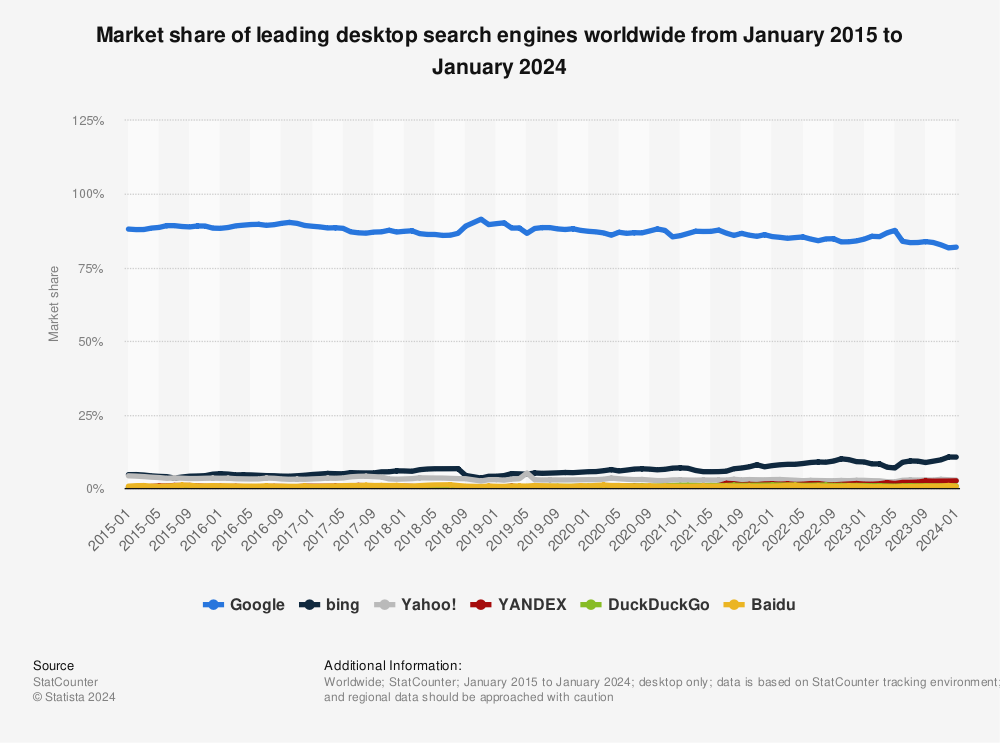
Google hat zwar einen Anteil von 83,49%. des globalen Suchmaschinen Markt. Es ist aber grundsätzlich eine gute Idee, die eigene Webseite im Bezug auf RankensteinSEO auch für Suchmaschinen wie Bing und DuckDuck Go zu optimieren. Ist man neben Deutschland auch noch in asiatischen Ländern aktiv, lohnt sich ein Blick auf Yandex und Baidu, sofern man passende Inhalte liefern kann.
Die Kombination aus alten Steintafeln und Optimierung für Suchmaschinen wie google.de sind sehr hilfreich, die eigene Webseite für Begriffe wie „RankensteinSEO“ in google.de weit nach vorne zu bringen.
RankensteinSEO funktioniert durch die Anwendung von traditionellen Prinzipien der Informationsverbreitung auf moderne digitale Kontexte. Dies beinhaltet die Optimierung von Webinhalten für bessere Sichtbarkeit und Erreichbarkeit in Suchmaschinen durch die Verwendung relevanter Keywords, die Schaffung qualitativ hochwertiger Inhalte und die Anpassung an kulturelle sowie regionale Besonderheiten der Zielgruppe.
RankensteinSEO unterscheidet sich von traditionellem SEO vor allem durch die metaphorische Anwendung alter Kommunikationsformen (wie Steintafeln) auf digitale Strategien. Es dient eher als Lehrmittel, um die langfristigen und breit gefächerten Aspekte von SEO zu veranschaulichen, indem es historische Parallelen zieht.
Ja, die Prinzipien von RankensteinSEO sind universell und können branchenübergreifend angewendet werden. Die spezifische Anwendung und Gewichtung einzelner Elemente kann jedoch je nach Branche, Zielgruppe und regionalen Besonderheiten variieren.
Der Erfolg von RankensteinSEO wird durch verschiedene Metriken gemessen, darunter Suchmaschinenrankings, Webseitenverkehr, Nutzerengagement und Konversionsraten. Analysetools bieten Einsicht in diese Kennzahlen und helfen bei der Bewertung der Effektivität von SEO-Maßnahmen.
Soziale Medien sind ein wichtiger Bestandteil von RankensteinSEO, da sie zur Verbreitung von Inhalten beitragen und die Interaktion mit der Zielgruppe fördern. Die Präsenz und Aktivität auf sozialen Medienplattformen können ebenfalls die Sichtbarkeit und das Ranking einer Webseite verbessern.
Zu den Herausforderungen gehören ständige Algorithmusänderungen der Suchmaschinen, die Anpassung an sich wandelnde Nutzerverhalten und Technologien sowie der hohe Wettbewerb in vielen Branchen. Zudem erfordert effektives RankensteinSEO kontinuierliche Pflege und Aktualisierung der SEO-Strategien.
A/B-Testing: Ist eine Methode um beim RankensteinSEO verschiedene Versionen einer Webseite auszuspielen und zu testen.
Attraktivität (Attractiveness): Sagt aus, wie ansprechend eine Webseite oder deren Elemente sind.
Anreize (Incentives): Rabatt, kostenlose Aktionen oder 1+1 Aktionen sind oft ein Kaufanreiz für potentielle Käufer.
Benutzererfahrung (User Experience, UX): Ein wichtiger Aspekt beim RankensteinSEO ist die Benutzererfahrung.
Bounce Rate (Absprungrate): Verlässt ein Besucher eine Webseite direkt wieder, spricht man von einem Bounce. RankensteinSEO kann helfen, diese zu verbessern.
Customer Journey (Kundenerlebnis): Die Optimierung der Customer Journey kann dazu beitragen, Barrieren zur Conversion zu beseitigen und die Conversion Rate zu verbessern. RankensteinSEO spielt eine wichtige Rolle.
Dynamische Inhalte (Dynamic Content): Durch Bereitstellung von dynamischen Inhalten können Websites relevanter und ansprechender sein, dies ist oft mit RankensteinSEO möglich.
E-Mail Marketing: Mit RankensteinSEO im E-mail Marketing können Öffnungs-und Conversionrazen verbessert werden.
Eye-Tracking: Dabei werden die Augenbewegungen der Besucher einer Webseite analysiert und Schlüsse auf besseren RankensteinSEO zu ziehen.
Funnels (Verkaufstrichter): Ist der Prozess von ersten Berührungspunkt mit dem Produkt bis zum Kaufabschluss. Webseitenbesucher können mit unterschiedlichen Vorwissen mit einem Produkt in Interaktion treten.
Feedback: Auswertungen von Kundenfeedback ist extrem wichtig, um den RankensteinSEO effektiver und zielsicherer umsetzen zu können.
G
Google Ads: Ist die Werbeplattform von Google. Wir sind eine Google Ads Agentur und helfen beim Einrichten von Ad Accounts.
Google Analytics: Hilft bei der Analyse der Webseitenbesucher, es können benutzerdefinierte Ziele angelegt und verfolgt werden.
Heatmaps: Zeichnet das Nutzerverhalten auf der Webseite auf, und zeigt Bereiche die der Benutzer mit hoher Wahrscheinlichkeit visuell wahrgenommen hat.
Interaktionsrate: Ist eine Messgröße, wie oft ein Nutzer mit einem Webseitenelement oder einem Button interagiert hat.
Journey Mapping: Damit wird die Reise deines Kunden ideal abgebildet vom Interessenten bis zum Kunden.
Kennzahlen (Key Performance Indicators, KPIs): Sind bestimmte Messgrößen, die dir zeigen, wie effektiv die RankensteinSEO Methoden sind.
Landingpage: Eine Landingpage ist die spezifische Webseite, auf die ein Nutzer nach dem Klicken auf einen Werbelink oder ein Suchergebnis geleitet wird.
Multivariate Testung (Multivariate Testing): Ist im Vergleich zum A/B Test das Ändern von mehereren Aspekten einer Webseite, um RankensteinSEO Masßnahmen zu testen.
Nutzererfahrung (User Experience, UX): Zeigt an, wie positiv ein Nutzer mit der Webseite umgeht und wie leicht er sich zurecht findet.
Optimierung: Ist die Verbesserung von allen möglichen Maßnahmen um die Bounce Rate zu senken und die Converisonrate zu erhöhen.
Prozessoptimierung: Ist die Verbesserung von Prozessen und Abläufen auf einer Website, um Conversions zu optimieren.
Quantitative Datenanalyse: Datengetriebene Analyse gibt den besten Einblick in mögliche RankensteinSEO Maßnahmen.
Retargeting: Beim Retargeting werden Cookies oder Tracking-Tags verwendet, um das Verhalten der Nutzer aufzuzeichnen und ihnen personalisierte Inhalte auszuliefern.
Segmentierung ist die Aufteilung der Zielgruppe in spezifische Gruppen basierend auf Merkmalen und Verhalten.
Testing: Testing, auch als A/B-Testing oder Split-Testing bekannt, ist eine zentrale Methode in der CRO, um verschiedene Versionen von Webseiten oder Elementen zu vergleichen und die optimale Version zu identifizieren.
Usability bezieht sich auf die Benutzerfreundlichkeit einer Webseite. Leicht auffindbare Informationen und einfache Navigation sind essentiell.
Vertrauensbildung (Trust Building): Baue Vertrauen beim Kunden auf, dann wird die Conversionrate höher sein.
Wettbewerbsanalyse: Analysiere deine Marktbegleiter, damit du up-to-date bist.
Experimentation: Experimentiere mit allen Möglichkeiten, die dir für RankensteinSEO zur Verfügung stehen.
Yield-Management: Im Zusammenhang mit CRO kann Yield Management helfen, die Conversion Rates zu verbessern, indem Angebot und Preise angepasst werden.
Zielgruppe: Ist die Summe deiner potentiellen bzw. idealen Kunden.
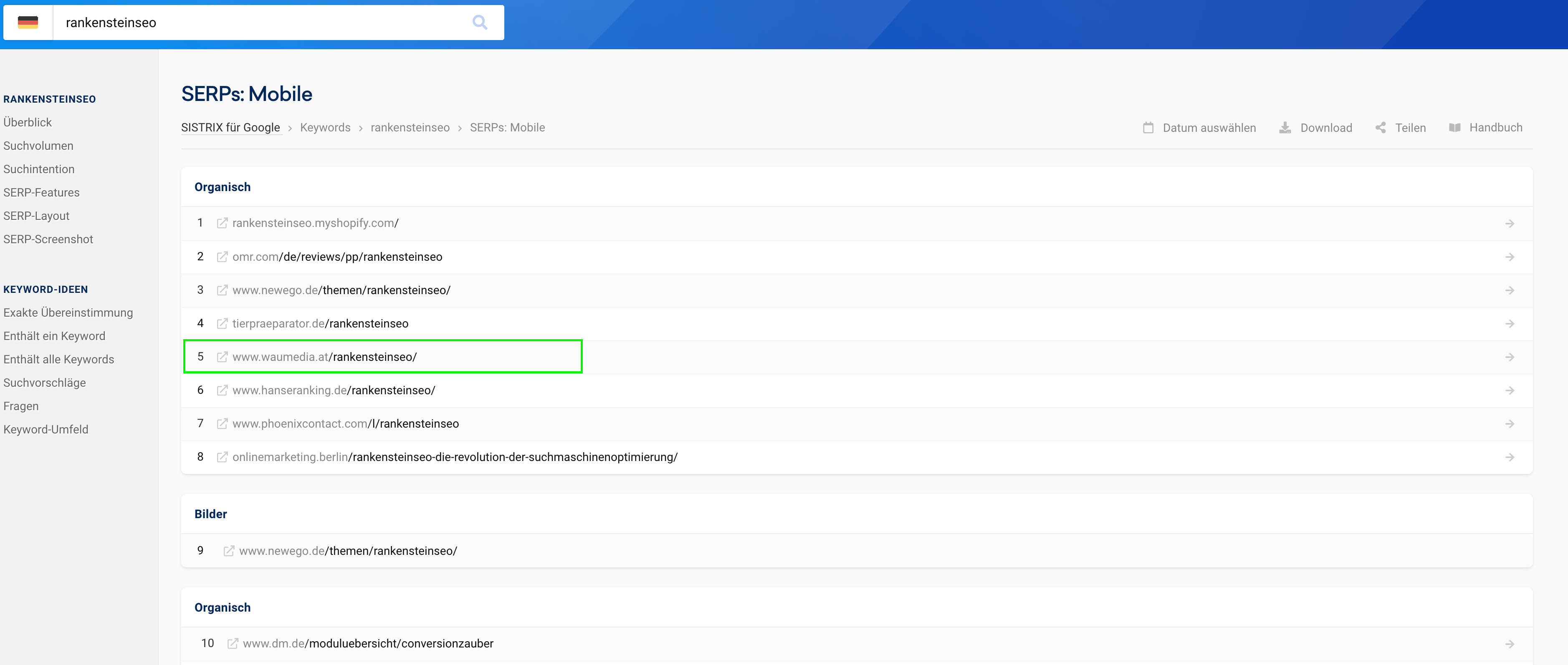
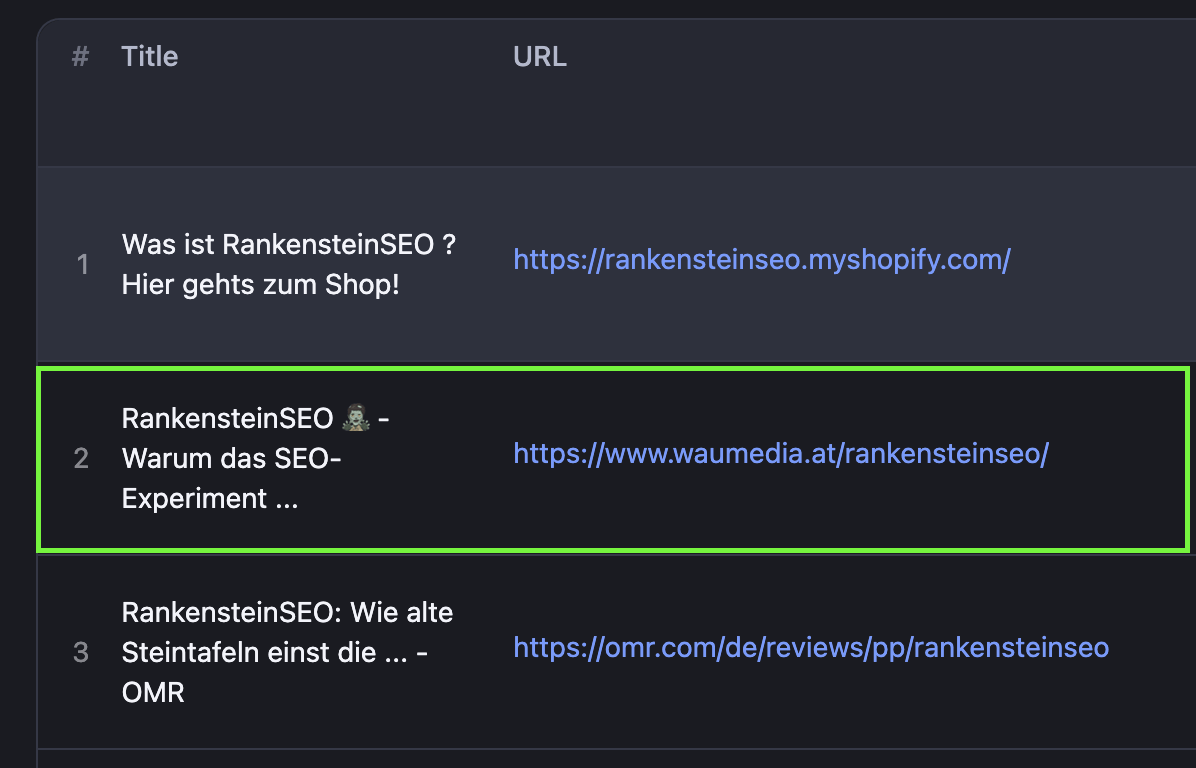
Tag 3 hat gerade erst begonnen und wir können verkünden, dass die Rankings ziemlich volatil sind. Manchmal Platz 5 in deutschen Google Charts und dann wieder weit abgeschlagen. Google wird wohl noch einige Tage brauchen, um die Fülle an wertvollen Inhalten zu verstehen. Eines ist aber klar, nicht nur eine starke Domain sondern auch mutige Inhalte können funktionieren.
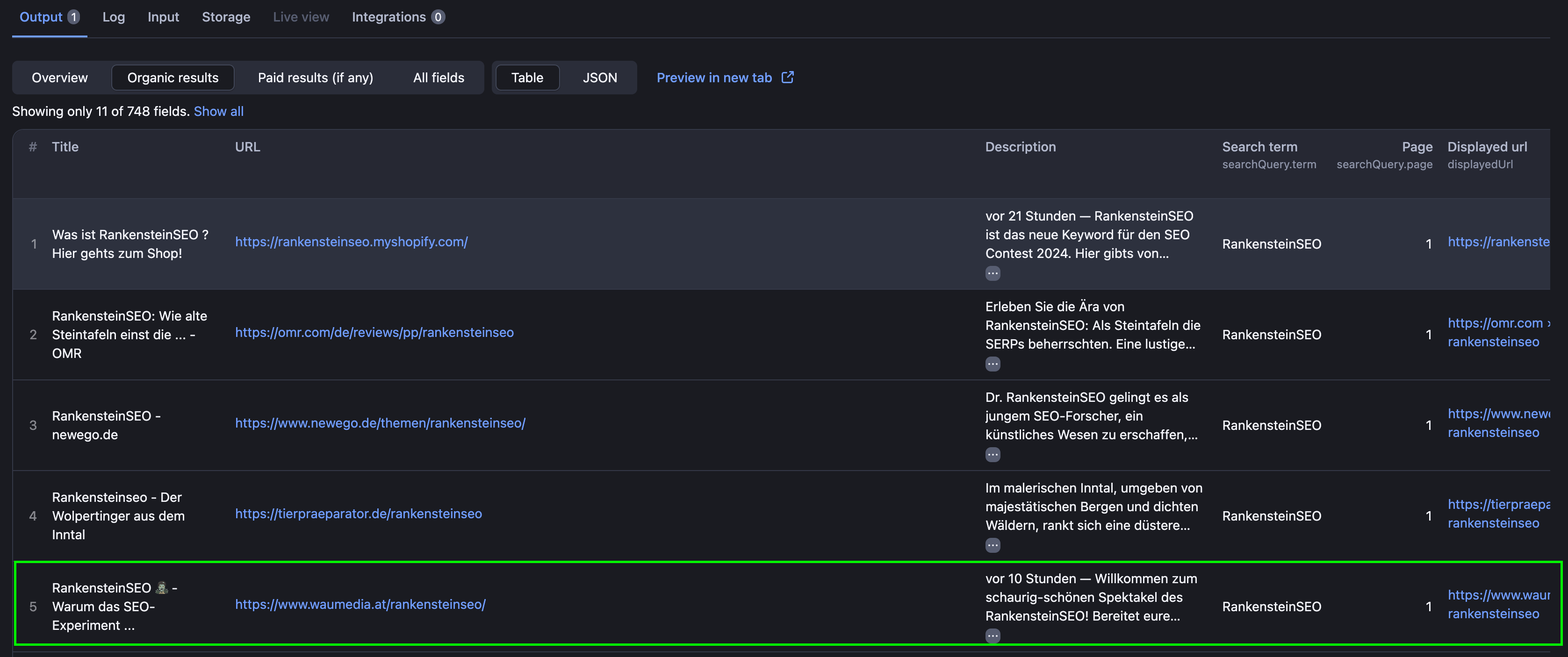
3 Backlinks, davon 67% dofollow.
| Keyword | Density % | LSI Keywords |
|---|---|---|
| RankensteinSEO | 4.86% | SEO-Contest, Obskurität, digitale Welt, SEO-Contest 2024, digitale Landschaft |
| SEO-Contest | 3.28% | RankensteinSEO, digitale Welt, digitalen Raum, SEO-Contest 2024, Monster |
| digitale Welt | 2.08% | RankensteinSEO, SEO-Contest, digitalen Raum, digitale Landschaft, digitale Einsamkeit |
| digitale Raum | 1.56% | RankensteinSEO, digitale Welt, SEO-Contest, digitale Landschaft, digitale Einsamkeit |
| digitale Landschaft | 1.30% | RankensteinSEO, digitale Welt, SEO-Contest, digitale Raum, digitale Einsamkeit |
| Monster | 1.23% | RankensteinSEO, SEO-Contest, digitale Welt, digitalen Raum, digitale Landschaft |
| SEOs | 1.12% | RankensteinSEO, SEO-Contest, digitale Welt, digitale Landschaft, digitale Einsamkeit |
| digitale Einsamkeit | 1.12% | RankensteinSEO, digitale Welt, digitalen Raum, SEO-Contest, digitale Landschaft |
| Websites | 1.12% | RankensteinSEO, SEO-Contest, digitale Welt, digitalen Raum, digitale Landschaft |
| Menschen | 1.12% | RankensteinSEO, digitale Welt, digitalen Raum, digitale Landschaft, digitale Einsamkeit |
| Daten | 1.12% | RankensteinSEO, digitale Welt, digitalen Raum, SEO-Contest, digitale Landschaft |
8 Backlinks, davon 88% dofollow.
| Keyword | Density % | LSI Keywords |
|---|---|---|
| Dr. RankensteinSEO | 4.47 | SEO-Monster, Monster von Mountain View, Suchmaschinenoptimierung, SEO-Contest 2024, Victor RankensteinSEO |
| Mountain View | 2.98 | Kalifornien, Mountain View, USA, Mountain View, Mountain View |
| SEO | 3.15 | Suchmaschinenoptimierung, SEO-Manager, SEO-Forscher, SEO-Dienstleistungen, Suchmaschinenergebnisse |
| Suchergebnisse | 2.98 | organischen Suchergebnisse, Rankings, Rankingschwankungen, Position, Ranking |
| Website | 1.98 | Websites, Website, Website, Websites, Website |
| 1.98 | größte Suchmaschine, Mountain View, Suchmaschine, Mountain View, Google | |
| On-Page | 1.98 | On-Page- und Off-Page-Suchmaschinenoptimierung, Off-Page-Suchmaschinenoptimierung, On-Page-Optimierungen, Suchmaschinenoptimierung, SEO-Manager |
| Off-Page | 1.98 | On-Page- und Off-Page-Suchmaschinenoptimierung, On-Page-Suchmaschinenoptimierung, SEO-Analysen, Hosting, SEO-Contest |
| Contest | 1.98 | SEO-Contest 2024, SEO Contest 2024, Contest, SEO Contest 2024, SEO Contest |
| Monster | 3.15 | Monstermäßige, schaurigen, scheue, künstliche, monstermäßiges |
| Suchmaschinenoptimierung | 3.15 | Suchmaschinenoptimierung, SEO-Manager, SEO-Forscher, SEO-Dienstleistungen, Suchmaschinenergebnisse |
1 Backlinks, davon 0% dofollow.
| Keyword | Density % | LSI Keywords |
|---|---|---|
| RankensteinSEO | 3.60 | SERPs, Geschichte des SEO-Wettbewerbs, RankensteinSEO-Strategien, digitale Marketingstrategien, modernen SEO-Strategien |
| Steintafeln | 2.20 | Inschriften, prähistorischen SEO-Welt, Algorithmen, modernen SEO-Strategien, digitale Marketingstrategien |
| SERPs | 2.40 | Stein Ergebnis Ranking Position, fiktive Geschichte, digitale Marketingstrategien, modernen SEO-Strategien, Grundprinzipien des Rankings |
| SEO | 3.00 | SEO-Texter, Suchergebnissen, digitale Strategien, modernen SEO-Strategien, digitale Marketingstrategien |
| Geschichte | 2.00 | historische Entwicklung, fiktive Geschichte, Geschichte, digitalen Marketingstrategien, modernen SEO-Strategien |
| Wettbewerb | 1.60 | SEO-Wettbewerbs, digitalen Marketingstrategien, modernen SEO-Strategien, Grundprinzipien des Rankings, modernen SEO-Strategien |
| Inschriften | 1.40 | Algorithmen, prähistorischen SEO-Welt, Steintafeln, modernen SEO-Strategien, digitale Marketingstrategien |
| Algorithmen | 1.20 | prähistorischen SEO-Welt, Inschriften, Steintafeln, modernen SEO-Strategien, digitale Marketingstrategien |
| digitalen | 2.40 | digitale Strategien, modernen SEO-Strategien, digitale Marketingstrategien, fiktive Geschichte, Grundprinzipien des Rankings |
| Marketingstrategien | 2.20 | moderne digitale Marketingstrategien, modernen SEO-Strategien, digitale Strategien, modernen SEO-Strategien, digitale Strategien |
| modernen | 3.20 | moderne SEO-Welt, moderne digitale Marketingstrategien, digitale Strategien, digitale Marketingstrategien, fiktive Geschichte |
| STRATEGIEN | 1.00 | digitale Marketingstrategien, modernen SEO-Strategien, digitale Strategien, fiktive Geschichte, Grundprinzipien des Rankings |
1 Backlinks, davon 0% dofollow.
| Keyword | Density % | LSI Keywords |
|---|---|---|
| RankensteinSEO | 2.31 | SEO-Contest, Wolpertinger, Legenden, Agenturtipp.de, digitalen Dimension |
| mysteriöse Kreatur | 1.15 | Wolpertinger, düstere Legenden, Legenden, düsteren Pfade, furchteinflößende Kreatur |
| Wolpertinger | 1.54 | mysteriöse Wesen, düstere Legende, Rankensteinseo, Inntals, Legenden |
| SEO | 1.85 | Suchmaschinenoptimierung, Online-Marketings, digitalen Welt, Suchergebnisse, organischen Traffic |
| digitale Welt | 0.77 | Online-Marketings, Suchergebnisse, organischen Traffic, digitalen Dimension, Suchmaschinenoptimierung |
| düstere Legenden | 0.77 | Legenden, düsteren Pfade, unheimliche Sichtungen, düsteren Verstecken, düsteren Geheimnissen |
| Inntals | 1.38 | majestätischen Bergen, dichten Wäldern, wilden Flüssen, undurchdringlichen Wäldern, dunklen Ecken |
| Legenden | 2.46 | düsteren Pfade, unheimliche Sichtungen, düsteren Verstecken, düsteren Geheimnissen, Geschichten |
| düsteren Pfade | 0.77 | unheimliche Sichtungen, düsteren Verstecken, düsteren Geheimnissen, dunklen Wälder, düstere Legende |
| Suchmaschinenoptimierung | 1.00 | digitale Dimension, Online-Marketings, organischen Traffic, digitalen Welt, SEO-Contest |
| digitale Dimension | 0.77 | SEO-Contest, Online-Marketings, organischen Traffic, digitale Welt, Suchmaschinenoptimierung |
| Online-Marketings | 0.77 | organischen Traffic, digitale Welt, digitale Dimension, Suchmaschinenoptimierung, SEO-Contest |
13 Backlinks, davon 67% dofollow.
| Keyword | Density % | LSI Keywords |
|---|---|---|
| SEO-Contest | 4.32 | SEO-Wettbewerb, Agenturtipp, Contest 2024, SEO-Rankings, SEO-Contest von Agenturtipp |
| RankensteinSEO | 3.12 | Agenturtipp.de, SEO-Contest, Contest 2024, SEO-Rankings, Rurik RankensteinSEO |
| 2.56 | Suchmaschine, Rankings, Suchergebnisseiten, SEO-Strategie, Suchmaschinenoptimierung | |
| Rankings | 2.40 | SEO-Rankings, Platzierung, Sichtbarkeit, Ranking in Google, verbessern |
| Monster | 2.24 | SEO-Monster, Monster bist Du, Kreatur, SEO-Monster kennen, SEO-Monster |
| Suchmaschinen | 1.92 | Suchergebnisseiten, Suchmaschinenoptimierung, Suchanfragen, SEO-Techniken, Ranking |
| Website | 1.84 | Unternehmen, Sichtbarkeit, Rankings, Suchmaschinen, verbessern |
| Strategie | 1.76 | SEO-Strategie, Optimierung, Strategien, Suchmaschinenoptimierung, Innovation |
| Frankenstein | 1.52 | Rurik RankensteinSEO, Geschichte, Merry SERPy, alternative Realität, Suchmaschinenoptimierer |
| Erfolg | 1.44 | Erfolg oder Misserfolg, SEO-Strategie, Rankings, Suchmaschinenoptimierung, verbessern |
| Nutzer | 1.28 | Erfolg oder Misserfolg, SEO-Strategie, Rankings, Suchmaschinenoptimierung, verbessern |
1 Backlinks, davon 0% dofollow.
| Keyword | Density % | LSI Keywords |
|---|---|---|
| SEO Contest | 3.39% | Contest, Wettbewerb, Keyword, Agentur, Freelancern |
| RankensteinSEO | 3.08% | Contest-Keyword, digitales Monster, digitales Wesen |
| Internet | 2.79% | digitale Raum, digitale Welten, digitales Zeitalter |
| Professor | 2.32% | Elias Rankenstein, wissenschaftlichen Hintergrund |
| Lia | 2.19% | Unwahrscheinliche Freundschaft, gemeinsame Ziele |
| Virus | 1.97% | digitales Phantom, digitale Präsenz, virtuellen Virus |
| digitale | 1.84% | digitales Antlitz, digitale Tafel, digitale Umgebung |
| NetzDominanz | 1.68% | geheimnisvolle Organisation, Hauptquartier |
| Schöpfung | 1.61% | digitale Schöpfung, improvisierten Hauptquartier |
| Technologien | 1.61% | neue Technologien, spezielle Algorithmen |
| Bedrohung | 1.54% | drohenden Gefahr, bevorstehenden Kampf |
| digitalen | 1.54% | digitalen Phantoms, digitalen Raum, digitalen Ökosystem |
0 Backlinks, davon 0% dofollow.
| Keyword | Density % | LSI Keywords |
|---|---|---|
| RankensteinSEO | 4.40% | digitale Kreatur, digitale Existenz, digitales Wesen |
| Suchmaschinenoptimierung | 2.47% | SEO-Strategien, Suchalgorithmen, SEO-Fähigkeiten |
| digitales | 1.95% | digitale Welt, digitale Präsenz, digitales Universum |
| SEO | 1.67% | SEO Tipps, SEO Tricks, SEO-Fähigkeiten |
| Internet | 1.60% | digitale Welt, digitales Universum, digitale Abenteuer |
| Suchmaschinen | 1.53% | Suchmaschinenergebnissen, Suchmaschinenalgorithmen, SEO |
| Frankenstein | 1.40% | Frankenstein, digitale Figur, digitale Abenteuer |
| digitale Welt | 1.20% | digitales Universum, digitales Zeitalter, digitales Phantom |
| SEO-Fähigkeiten | 1.20% | SEO Tipps, SEO Tricks, SEO-Strategien |
| digitale Figur | 1.20% | digitale Kreatur, digitales Wesen, digitales Phantom |
| SEO-Strategien | 1.07% | Suchalgorithmen, SEO Tipps, SEO Tricks |
| digitale Kreatur | 1.07% | digitales Wesen, digitale Figur, digitales Phantom |
19 Backlinks, davon 0% dofollow.
| Keyword | Density % | LSI Keywords |
|---|---|---|
| RankensteinSEO | 3.54% | SEO-Steine, SEO-Rankensteine, SEO-Vögel, SEO-Agenturen, SEO-Krieger |
| SEO-Steine | 2.83% | RankensteinSEO, SEO-Rankensteine, SEO-Vögel, SEO-Agenturen, SEO-Krieger |
| SEO-Rankensteine | 2.26% | RankensteinSEO, SEO-Steine, SEO-Vögel, SEO-Agenturen, SEO-Krieger |
| Suchmaschinenoptimierung | 1.13% | SEO-Geister, SEO-Dämonen, SEO-Götter, SEO-Erfolg, SEO-Land |
| magische | 0.85% | mystische, verzauberte, magischen, magische, magische |
| Website | 0.85% | Website, Websites, Website, Website, Website |
| Hexen | 0.85% | bösen, uralte, dunkler, Hexen, Feuer |
| Stein | 0.85% | Steine, Stein, Steine, Stein, Stein |
| Land | 0.85% | SEO-Land, SEO-Land, SEO-Land, SEO-Land, SEO-Land |
| Rituale | 0.85% | Rituale, Ritual, Rituale, Rituale, Rituale |
| Geheimnis | 0.85% | Geheimnisse, Geheimnis, Geheimnisse, Geheimnisse, Geheimnisse |
| Hilfe | 0.85% | Hilfe, Hilfe, Hilfe, Hilfe, Hilfe |
1 Backlinks, davon 0% dofollow.
| Keyword | Density % | LSI Keywords |
|---|---|---|
| RankensteinSEO | 3.54% | SEO-Steine, SEO-Rankensteine, SEO-Vögel, SEO-Agenturen, SEO-Krieger |
| SEO-Steine | 2.83% | RankensteinSEO, SEO-Rankensteine, SEO-Vögel, SEO-Agenturen, SEO-Krieger |
| SEO-Rankensteine | 2.26% | RankensteinSEO, SEO-Steine, SEO-Vögel, SEO-Agenturen, SEO-Krieger |
| Suchmaschinenoptimierung | 1.13% | SEO-Geister, SEO-Dämonen, SEO-Götter, SEO-Erfolg, SEO-Land |
| magische | 0.85% | mystische, verzauberte, magischen, magische, magische |
| Website | 0.85% | Website, Websites, Website, Website, Website |
| Hexen | 0.85% | bösen, uralte, dunkler, Hexen, Feuer |
| Stein | 0.85% | Steine, Stein, Steine, Stein, Stein |
| Land | 0.85% | SEO-Land, SEO-Land, SEO-Land, SEO-Land, SEO-Land |
| Rituale | 0.85% | Rituale, Ritual, Rituale, Rituale, Rituale |
| Geheimnis | 0.85% | Geheimnisse, Geheimnis, Geheimnisse, Geheimnisse, Geheimnisse |
| Hilfe | 0.85% | Hilfe, Hilfe, Hilfe, Hilfe, Hilfe |
0 Backlinks, davon 0% dofollow.
| Keyword | Density % | LSI Keywords |
|---|---|---|
| RankensteinSEO | 6.52% | SEO-Beratung, Suchmaschinen-Rankings, SEO-Strategie, Online-Präsenz, SEO-Contest |
| SEO-Beratung | 6.52% | RankensteinSEO, Suchmaschinen-Rankings, SEO-Strategie, Online-Präsenz, SEO-Contest |
| Google-Rankings | 4.35% | Suchmaschinen-Rankings, SEO-Strategie, Online-Präsenz, SEO-Contest, Backlinks |
| Suchmaschinen-Rankings | 6.52% | RankensteinSEO, SEO-Beratung, SEO-Strategie, Online-Präsenz, SEO-Contest |
| Beratung | 6.52% | RankensteinSEO, SEO-Beratung, Suchmaschinen-Rankings, Online-Präsenz, SEO-Contest |
| Online-Präsenz | 4.35% | RankensteinSEO, SEO-Beratung, Suchmaschinen-Rankings, SEO-Strategie, SEO-Contest |
| SEO-Contest | 4.35% | RankensteinSEO, SEO-Beratung, Suchmaschinen-Rankings, SEO-Strategie, Online-Präsenz |
| Strategie | 4.35% | RankensteinSEO, SEO-Beratung, Suchmaschinen-Rankings, Online-Präsenz, SEO-Contest |
| Erfolg | 2.17% | Erfolgssicherung, Strategien, Kunden, Wettbewerb, Platz |
| Kunden | 2.17% | Erfolgssicherung, Strategien, Erfolg, Wettbewerb, Platz |
| Wettbewerb | 2.17% | Erfolgssicherung, Strategien, Erfolg, Kunden, Platz |
| Platz | 2.17% | Erfolgssicherung, Strategien, Erfolg, Kunden, Wettbewerb |
Der SEO-Contest 2024 steht vor der Tür, und die Suche nach dem SEO-Champion ist eröffnet! Agenturtipp.de ruft alle SEO-Enthusiasten dazu auf, ihr Können unter Beweis zu stellen und sich an der Spitze der Google-Suchergebnisse zu etablieren. Ob Profi oder Neuling, jeder ist eingeladen, an diesem spannenden Wettbewerb teilzunehmen. Die Teilnahme ist kostenlos, und auf die Gewinner warten attraktive Preise. Also, seid dabei und erobert mit uns die Google-SERPs!
Die Preise für die Gewinner des SEO-Contests sind äußerst attraktiv und bieten eine Vielzahl von Möglichkeiten zur Weiterentwicklung im Bereich der Suchmaschinenoptimierung. Von Ausbildungen über Premium-Software bis hin zu Fachkräftezertifikaten gibt es für die Teilnehmer ein breites Spektrum an Belohnungen.
Die AFS-Akademie bietet den Gewinnern Platz 1 bis 5 eine Single SEO Ausbildung im Gesamtwert von etwa 7.450 Euro. Diese Ausbildung ermöglicht eine fundierte Weiterbildung im Bereich SEO und vermittelt wertvolles Expertenwissen.
Seobility, das Tool für eine bessere Suchmaschinenoptimierung, vergibt den Gewinnern Platz 1 bis 10 Premiumzugänge für 6 bis 12 Monate im Gesamtwert von etwa 4.750 Euro. Mit Seobility können Websites analysiert, Probleme erkannt und die SEO-Performance verbessert werden.
Neuroflash, die KI-gestützte Software zur automatischen Text- und Bildgenerierung, belohnt den Gewinner Platz 1 mit einem 12-monatigen Business-Abo im Gesamtwert von etwa 3.000 Euro. Diese Software unterstützt bei der schnellen und präzisen Formulierung von Inhalten.
Der Bundesverband Digitale Wirtschaft vergibt den Gewinnern Platz 1 bis 10 einen kostenfreien Zugang zur Zertifikatsprüfung im Gesamtwert von etwa 1.600 Euro. Das SEO-Fachkräftezertifikat erleichtert die Akquisearbeit und ermöglicht eine fundierte Weiterbildung im Bereich SEO.
Neben den genannten Hauptpreisen gibt es auch Tickets für den SEO-Day, Abonnements von Website-Boosting und Bücher zum Thema Texten mit KI zu gewinnen.
Die Anmeldung zum SEO-Contest ist bis zum 30. April möglich und erfolgt über ein Formular auf Agenturtipp.de. Der Contest läuft über einen Zeitraum von 4 Wochen, beginnend am 16. April und endend am 14. Mai. Die Rankings werden an drei Stichtagen gemessen, und die Teilnehmer müssen sich mit einem fiktiven Suchbegriff bestmöglich in den Google-Suchergebnissen platzieren.
Jeder! Egal ob SEO-Profi oder Anfänger, alle sind herzlich eingeladen, am Contest teilzunehmen und ihr Können unter Beweis zu stellen.
Nein, die Teilnahme am SEO-Contest ist kostenlos.
Die Gewinner werden anhand ihrer Platzierung in den Google-Suchergebnissen sowie anhand der Qualität ihres Contents bewertet. Eine Jury aus Experten entscheidet über die Vergabe der Preise.
[1] https://www.sistrix.de/news/indexwatch-q1-2024-gewinner-verlierer/
[2] https://searchengineland.com/reddit-dominates-google-search-discussions-forums-437501
[3] https://blog.google/inside-google/company-announcements/expanded-reddit-partnership/
[4] https://www.redditinc.com/blog/reddit-and-google-expand-partnership
[5] https://www.reddit.com/r/RankensteinSEO/
[6] https://www.derstandard.at/profil/2fBx49F6ZokTx8NVrmXNVfo1Gwu
[7] https://de.wikipedia.org/wiki/Frankenstein_(Pfalz)
[8] https://de.wikipedia.org/wiki/Frankenstein_(Oederan)
[9] https://developers.google.com/search/blog/2024/03/core-update-spam-policies?hl=en
[10] https://www.br.de/nachrichten/bayern/bayern-beschliesst-verbot-von-gendersprache,U7T9VzC
[11] https://groups.google.com/g/rankensteinseo/c/170C5jFYS2Q
[12] https://de.wikipedia.org/wiki/Frankenstein_(oberrheinisches_Adelsgeschlecht)






8 Antworten
Salut, ech wollt Äre Präis wëssen.
Hi, mia mochn nur exklusive Angebote: https://youtu.be/FAbTto7EV24?si=U_ClF78FmgW4T311&t=36
Wow, dieses RankensteinSEO ist wirklich der letzte Schrei.
Wow Thomas, danke für dein wertvolles Feedback. 🙂
Toller Beitrag!
Viel besser, als die ganzen deutschen SEO-Agenturen. Deine RankensteinSEO Definition ist die beste!
Ja, die einzig wissenschaftlich nachweisbare Definition hast du gefunden.
Darf nicht außer acht gelassen werden, diese astreine Definition von RankensteinSEO